Halfway up the trail, my 12-ounce bottle was already empty. I swapped it for a 32-ounce insulated bottle the next week, lost the featherweight feel but gained a hike where I actually stayed hydrated. That moment is more common than you think. Most of us walk around mildly dehydrated not because we forget to drink, but because the bottle in our hand works against us.
Key Takeaways
- Your ideal daily water intake depends on your body weight, activity, and climate, not a one-size-fits-all number.
- Matching your bottle size to your routine eliminates constant refills and guesswork.
- A 24–32 oz reusable bottle balances portability and capacity for most people.
- Switching to a reusable bottle can save over 1,500 plastic bottles per year.
- Use the interactive calculator and checklist to find your perfect bottle and daily ounce goal.
The “eight glasses a day” rule is hydration’s most persistent myth. It ignores your body weight, your workout intensity, and whether you live in Phoenix or Portland. Follow it blindly and you risk chronic under-hydration on a long run, or forcing down water you don’t need at a desk job. Real hydration is personal, and it starts with the container you choose.
A mismatched bottle size sabotages your habit before you take the first sip. Too small, and you’re chained to the water fountain or refill station: annoying enough that you’ll eventually stop bothering. Too large, and you’re lugging a heavy jug that never leaves the car. Either way, the bottle becomes a chore instead of a tool.
The right size, on the other hand, disappears into your day. It’s there when you need it, light enough to carry, and holds enough to keep you going without constant interruption.
That’s the shift we’re making here. No more generic advice. Instead, you’ll get a personalized blueprint that turns daily water intake into a seamless ritual.
We’ll walk through how to calculate your actual ounce goal, then match it to a bottle that fits your bag, your car cup holder, and your lifestyle. Along the way, you’ll see how a single reusable bottle can eliminate over 1,500 single-use plastics a year, a simple swap with an outsized environmental impact.
To remove all guesswork, we’ve built interactive tools directly into this guide. A hydration calculator pinpoints your daily ounce target based on your weight and activity level. A checklist then filters bottle sizes by your commute, workout type, and refill access. You’ll walk away with a single, clear recommendation: no decision fatigue.
Now let’s ground everything in the numbers: starting with the definitive size chart that covers every bottle you’ll ever encounter.
Standard Water Bottle Sizes Chart
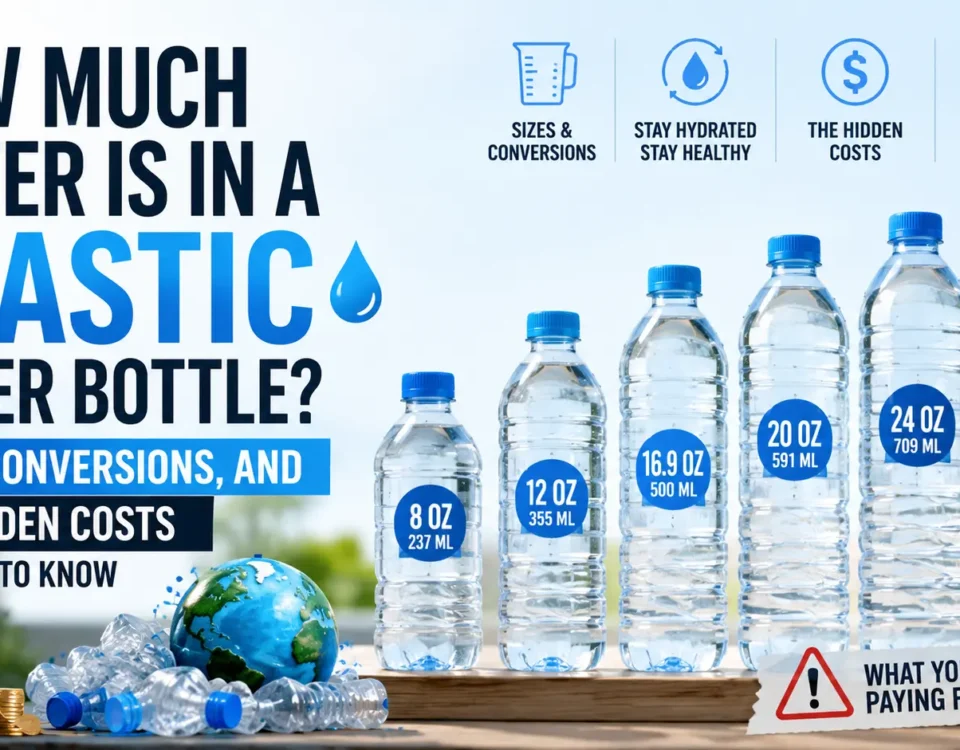
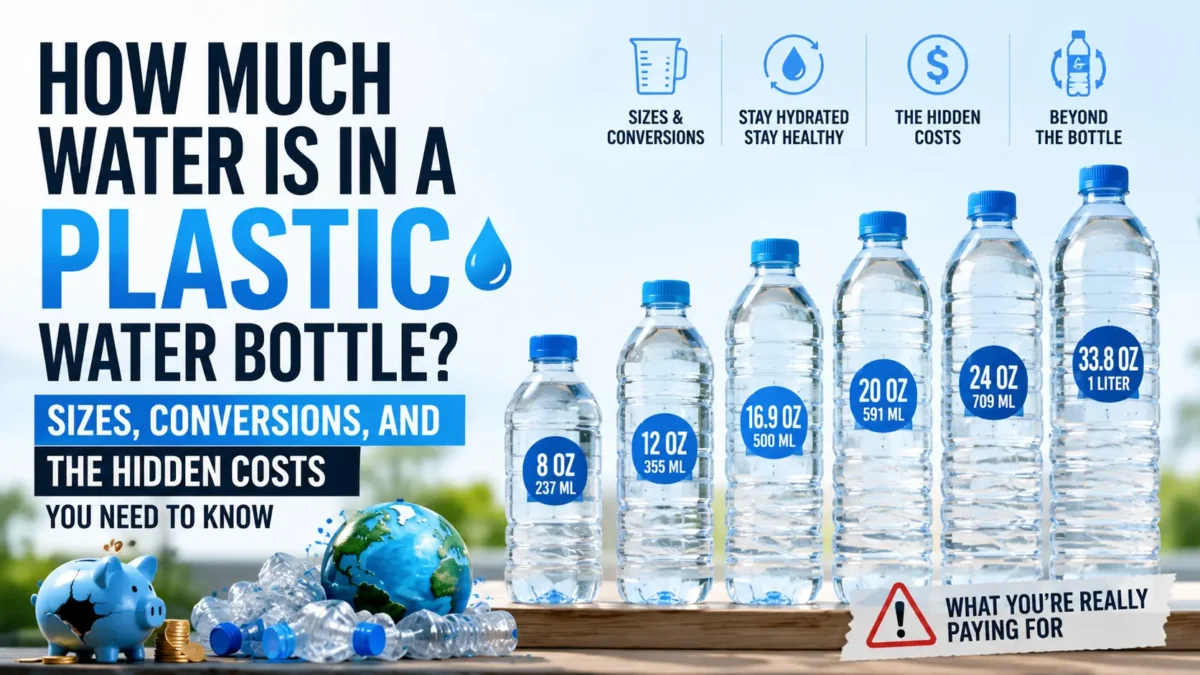
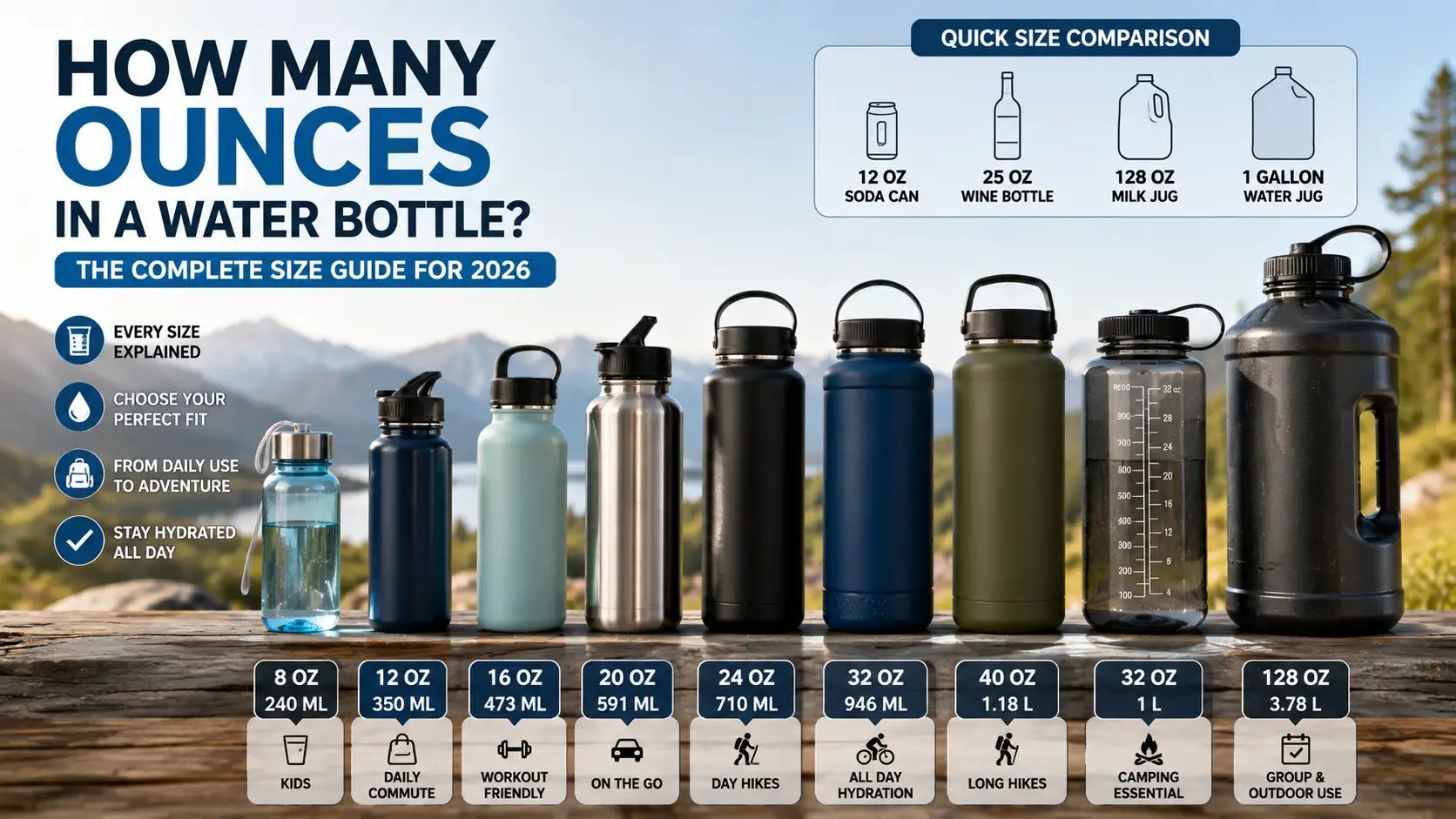
Before you can pick the right bottle, you need to know what’s out there. Here’s every standard size, side by side, from the tiny 8 oz single-use bottle to the massive 128 oz reusable jug.
The Complete Size Reference Table
| Size (oz) | Milliliters (ml) | Cups | Liters (L) | Typical Use | Bottle Type |
|---|---|---|---|---|---|
| 8 oz | 237 ml | 1 | 0.24 L | Kids’ lunchbox, small juice | Single-use or reusable |
| 12 oz | 355 ml | 1.5 | 0.35 L | Single-serve soda can, small water | Single-use or reusable |
| 16 oz | 473 ml | 2 | 0.47 L | Standard water bottle, coffee | Single-use or reusable |
| 16.9 oz | 500 ml | 2.1 | 0.5 L | Ubiquitous single-use water bottle | Single-use (most common) |
| 20 oz | 591 ml | 2.5 | 0.59 L | Gym bottle, sports drink | Single-use or reusable |
| 24 oz | 710 ml | 3 | 0.71 L | Sports bottle, daily carry | Reusable (often sports) |
| 32 oz | 946 ml | 4 | 0.95 L | Popular reusable daily bottle | Reusable |
| 40 oz | 1183 ml | 5 | 1.18 L | Large insulated tumbler | Reusable |
| 64 oz | 1893 ml | 8 | 1.89 L | Half-gallon jug for all-day hydration | Reusable |
| 128 oz | 3785 ml | 16 | 3.79 L | Full gallon jug for intense outdoor work or long hikes | Reusable |
This chart uniquely spans 8 oz to 128 oz, covering both single-use and reusable bottles with real-life use cases, unlike competitor tables that only show a few sizes tied to their products.
The 16.9 oz single-use bottle is everywhere, but we used to think a reusable 17 oz would be identical. It’s not. The single-use bottle crinkles and collapses as you drink, making the last few sips noisy and awkward.
The rigid stainless steel 17 oz, by contrast, stays solid and silent.
That’s the difference a material makes, even at the same volume. Which is exactly why the chart above separates bottle type, the same ounces can mean a completely different drinking experience.
Now that you know the sizes, let’s tackle the first big decision: single-use convenience or reusable sustainability?
Single-Use vs. Reusable Bottles: Key Differences
The size chart is your map. Now, the fork in the road: do you grab a disposable bottle or invest in a reusable one? The answer shapes more than your next sip, it ripples through your wallet, your daily routine, and the planet.
Single-Use Bottles: Convenience and Common Sizes
Single-use bottles dominate convenience stores and event coolers for a reason. The most common sizes are 8 oz, 12 oz, 16.9 oz (500 ml), 20 oz, and 33.8 oz (1 liter). They’re everywhere, require zero cleaning, and give you instant portion control. For a last-minute meeting or a roadside stop, nothing beats the grab-and-go simplicity.
Expert Tip: For events, 16.9 oz is the most universally accepted single-serve size and fits standard cup holders.
But that convenience carries a hidden price tag. A person who buys one 16.9 oz bottle daily spends roughly $300 a year on water that costs pennies from the tap. And the plastic? It piles up fast.
Most single-use bottles are made from PET, which is technically recyclable but often ends up in landfills or oceans. They also offer no insulation, so your water turns lukewarm within an hour on a hot day.
Reusable Bottles: Sustainability and Long-Term Value
Reusable bottles flip the script. They come in a staggering range of sizes, from compact 12 oz companions to hefty 128 oz jugs. The most popular daily drivers sit between 18 oz and 40 oz. The upfront cost can feel steep: A quality stainless steel bottle might contain hidden plastic parts in the lid or seal. But it pays for itself within months. No more cases of plastic, no more last-minute corner store markups.
Expert Tip: Stainless steel bottles with double-wall vacuum insulation keep drinks cold for up to 24 hours, making them ideal for all-day hydration.
The trade-offs are real. You have to wash it. A wide-mouth design makes scrubbing easy, but a narrow mouth can trap gunk if you neglect it. Weight matters too: a full 40 oz stainless steel bottle adds over 2.5 pounds to your bag.
Still, the market has spoken. The reusable water bottle market hit $11.56 billion in 2026, and stainless steel leads the material segment because it’s durable, doesn’t retain flavors, and pairs with that all-day insulation.
A mentee once asked me, “Why does the size of my reusable bottle matter beyond how often I refill?” I pointed to the math nobody puts on the label. A 32 oz reusable bottle replaces roughly three 16.9 oz single-use bottles a day. That’s over 1,000 plastic bottles saved per year, just from one person choosing a slightly larger vessel.
The marketing talks about eco-friendliness, but the real differentiator is that your bottle’s capacity directly scales your waste reduction. A 24 oz bottle cuts less; a 40 oz bottle cuts more. That’s the lever most people never think to pull.
Environmental Impact Comparison
The numbers are stark. A single person using disposable bottles can generate over 1,500 plastic bottles per year. Switch to a reusable 32 oz bottle, and that waste vanishes.
The carbon footprint of manufacturing and transporting a single-use bottle dwarfs the per-use impact of a stainless steel bottle, which can last a decade or more. Even accounting for the energy to produce a reusable, the break-even point comes within a few months of daily use.
The global reusable water bottle market is projected to grow from $10.17 billion in 2025 to $15.92 billion by 2035. That surge isn’t just a trend; it’s a collective shift toward valuing long-term durability over throwaway convenience. Every refill is a small vote for less plastic in the ocean and fewer trucks on the road.
With the single-use vs. reusable decision clear, the next step is matching a specific size to your daily life.
How to Choose the Right Water Bottle Size for Your Lifestyle
You know the sizes and the single-use vs. reusable trade-offs. Now let’s find the size that fits your actual day.
Assess Your Daily Hydration Needs
Start with your daily hydration target in ounces, and we’ll help you calculate that in the next section. Once you have that number, divide it by the number of refills you’re realistically willing to make. If you work at a desk with a water cooler steps away, two refills a day is easy. A 32 oz bottle then covers 96 oz.
If you’re on the move and only refill once, a 40 oz bottle might be the better call. The math is simple, but the habit is what makes it stick.
Expert Tip: A time-marker bottle with hourly markings helps you sip consistently, preventing the 3 p.m. dehydration slump.
Refill frequency also shapes your bottle choice. A bottle that’s too small means constant trips to the tap, which can break your flow. One that’s too large becomes a chore to carry. Aim for a capacity that lets you refill two to three times during your active hours, enough to keep the water fresh without turning hydration into a part-time job.
Match Bottle Size to Your Primary Activities
Your daily context dictates the ideal size. For desk work, a 24–32 oz bottle sits comfortably on your desk and holds enough to get you through a morning or afternoon without constant refills. At the gym, a 20–24 oz bottle is easier to grip between sets and fits most treadmill or bike holders.
Outdoor hikes demand more capacity: 32–40 oz, often insulated, so you have cold water hours into a trail. For travel or commuting, a slim 16–24 oz bottle slips into a bag’s side pocket and won’t weigh you down on a long walk from the train. If you’re buying for an event or a bulk order, single-use bottles or large reusable jugs make more sense than individual bottles.
Expert Tip: In hot climates or during intense workouts, increase your intake by roughly 12–20 oz per hour of activity to offset sweat loss.
The key is to match the bottle to the most demanding part of your day. A 32 oz bottle that’s perfect at your desk might be a nuisance on a crowded bus. If you split your time between settings, consider owning two bottles, one for stationary use and a smaller one for the go-bag.
Consider Portability and Storage
A bottle that doesn’t fit where you need it will get left behind. Standard car cup holders accommodate diameters of 2.5–3.5 inches, and most 24–32 oz reusable bottles have a base diameter of 2.8–3.2 inches, so they fit well. But not all holders are created equal.
3.3 inches. That’s the base diameter of my 32 oz bottle, which the consensus says should fit a standard cup holder, but in my car it wedges in so tight I have to wrestle it out every time. Always measure your holder’s actual opening before buying, especially if you drive a compact car with narrow slots.
Backpack side pockets are another common fail point. A tall 40 oz bottle can topple out if the pocket is shallow. Measure the pocket’s depth and compare it to the bottle’s height.
For fridge door storage, check the shelf spacing: some insulated bottles are too tall to stand upright, forcing you to lay them down, which can lead to leaks if the lid isn’t perfectly sealed. A bottle that fits your daily infrastructure gets used; one that doesn’t becomes clutter.
Material and Feature Preferences
Once you’ve narrowed the size, features, and materials, refine the choice. Insulated bottles use double-wall vacuum insulation to keep drinks cold for up to 24 hours or hot for up to 12 hours, depending on the model. They’re heavier and pricier, but if you hate lukewarm water by noon, they’re worth it. Non-insulated bottles are lighter and cheaper, ideal for short outings or if you prefer room-temperature water.
Mouth style matters more than most people think. A wide mouth lets you add ice cubes easily and gives a bottle brush full access for deep cleaning. A narrow mouth offers controlled sipping, with less spill risk when you’re walking or driving. A straw lid makes drinking effortless, which can actually increase your intake without you noticing.
Expert Tip: A wide-mouth opening makes it easier to add ice cubes and lets a bottle brush reach every corner for deep cleaning.
Material is the final filter. Stainless steel is durable, BPA-free, and often insulated, but it can dent if dropped. Plastic is lightweight and budget-friendly, but even BPA-free options can retain odors over time. Glass delivers the purest taste and won’t leach anything, but it’s heavy and breakable, not ideal for the gym or trail.
Expert Tip: A bottle with a built-in carbon filter improves taste and safety when refilling from public taps or natural water sources.
Your choice here is a trade-off between convenience, taste, and durability. If you’re mostly at a desk, a glass or stainless steel bottle with a straw lid might be your sweet spot. For the gym, a plastic squeeze bottle or a lightweight insulated one with a narrow mouth works better. Let your primary activity guide the feature set, not the other way around.
Size is only one part of the decision; our complete guide to choosing the right water bottle for your lifestyle also explains how to compare materials, insulation, lid styles, cleaning needs, and everyday portability.
Before you commit to a size, you need to know how many total ounces you should be drinking. Let’s look at the science.
Daily Hydration Guidelines: How Many Ounces Do You Really Need?
You’ve narrowed down the size range. Now the foundational question: how many ounces should you actually aim for each day? The answer isn’t a one-size-fits-all number. It’s a personal target shaped by your body, your day, and your environment.
Evidence-Based Daily Water Intake Recommendations
The old “8×8” rule (eight 8-ounce glasses, or 64 ounces) is a myth. It’s a neat, memorable number, but it ignores the wide variation in human physiology.
Health authorities, including the Institute of Medicine (IOM), suggest a more realistic baseline: about 104 ounces (13 cups) of total water per day for men, and 72 ounces (9 cups) for women, from all beverages and food.
Mayo Clinic and Harvard Health echo these ranges, emphasizing that food provides roughly 20% of your intake, so the rest comes from what you drink.
These are starting points, not rigid prescriptions. A 130-pound office worker in a cool climate needs far less than a 200-pound runner training in summer heat. The guidelines exist to anchor you, not to handcuff you.
Factors That Influence Your Hydration Needs
Your daily ounce goal can shift by 20–40 ounces or more once you account for the variables that actually matter.
Body weight is the single biggest lever. A larger body has more tissue to hydrate and a higher metabolic demand. I expected 64 ounces to be plenty. Instead, I was dragging through afternoon meetings and waking up with a dry mouth. After years of blindly following the 8×8 rule, I finally plugged my weight into a hydration calculator.
The number that came back, 104 ounces, felt absurdly high. But I committed to it for two weeks. The difference was undeniable: my afternoon energy stabilized, and my post-run recovery times shortened noticeably. That 104-ounce target, grounded in the baseline for men from the IOM and other health authorities, became the setting I dialed in.
It wasn’t a generic rule; it was my number. That’s the power of personalization.
Activity level cranks up fluid loss through sweat. Even a moderate 30-minute workout can add 12–24 ounces to your daily need. Endurance athletes may require an extra 40–60 ounces on training days. Climate and altitude amplify this: hot, humid weather or high elevations increase respiratory water loss and sweat rates.
Health conditions like fever, vomiting, or diarrhea demand aggressive rehydration, while certain medications (diuretics) flush water out faster. Your diet matters too. High-sodium meals, protein-heavy eating, or alcohol all pull water from your system, while water-rich foods like cucumbers and watermelon contribute to your total.
Expert Tip: Drink 16–20 oz of water immediately upon waking to offset overnight fluid loss and jumpstart metabolism.
Personalized Hydration Calculator (Interactive Tool)
Stop guessing. The embedded calculator below takes three inputs (your weight, your typical daily activity level, and your climate) and outputs a single daily ounce goal tailored to you. It also shows how many refills you’ll need for the most common bottle sizes so that you can plan your day without mental math.
💧 Hydration Calculator
Enter your weight, activity level, and climate to estimate your ideal daily water intake and see how many bottle refills you'll need.
Your Daily Hydration Goal
How Many Refills?
How Many Bottles to Reach Your Goal
Once you have your target, the next practical step is translating ounces into bottle refills. The table below shows how many times you’ll need to fill your bottle (including the first fill) to hit common daily targets. Use it to pick a size that fits your routine: fewer refills mean less interruption, but a larger bottle may be heavier to carry.
| Bottle Size | 72 oz (women’s baseline) | 80 oz (common goal) | 104 oz (men’s baseline) | 128 oz (high activity) |
|---|---|---|---|---|
| 16 oz | 5 | 5 | 7 | 8 |
| 24 oz | 3 | 4 | 5 | 6 |
| 32 oz | 3 | 3 | 4 | 4 |
| 40 oz | 2 | 2 | 3 | 4 |
Expert Tip: Use a hydration app like WaterMinder to set personalized reminders and track intake against your daily goal, making consistency effortless.
You know your target ounces. Next, make sure the bottle you choose actually fits where you’ll carry it.
Water Bottle Dimensions and Portability
Ounces tell you capacity, but inches tell you whether it’ll actually fit in your life. Let’s get physical.
Typical Dimensions for Popular Sizes
Reusable bottle dimensions vary by brand, but a few benchmarks hold. A 16 oz bottle usually stands about 8 inches tall with a roughly 2.5-inch diameter, while a 24 oz model adds an inch or so in height and widens to roughly 2.8 inches. The 32 oz sweet spot stretches to 10–11 inches tall and around 3.2 inches across.
Once you hit 40 oz, diameters often push past 3.5 inches, and 64 oz bottles can balloon to around 4.5 inches wide. The 128 oz jugs are essentially handled tanks, with diameters often exceeding 5 inches. These numbers matter more than the ounce count when you’re sliding a bottle into a tight space.
Will It Fit? Cup Holders, Backpacks, and Fridge Doors
Standard car cup holders accept diameters between 2.5 and 3.5 inches, which makes 24–32 oz bottles the safest bet for drivers. Most 24–32 oz reusable bottles have a base diameter of 2.8–3.2 inches and fit without a fight.
Last summer, I ordered a sleek 40 oz insulated bottle online, excited about fewer refills. When it arrived, I immediately tried to slot it into my car’s cup holder. It wouldn’t budge. The base diameter was just over 3.5 inches, while my holder maxed out at 3.2. I’d skipped the dimensions, and that oversight cost me a return trip. Measure before you buy.
Backpack side pockets and fridge door shelves also favor bottles under 3.5 inches wide, so 32 oz is a practical maximum for on-the-go use. Gym bags are more forgiving on width, but a 40 oz bottle’s weight can turn a light bag into a shoulder ache. If your daily routine involves a car, a backpack, and a crowded fridge, stick to the 24–32 oz range and check the base diameter before you click “add to cart.”
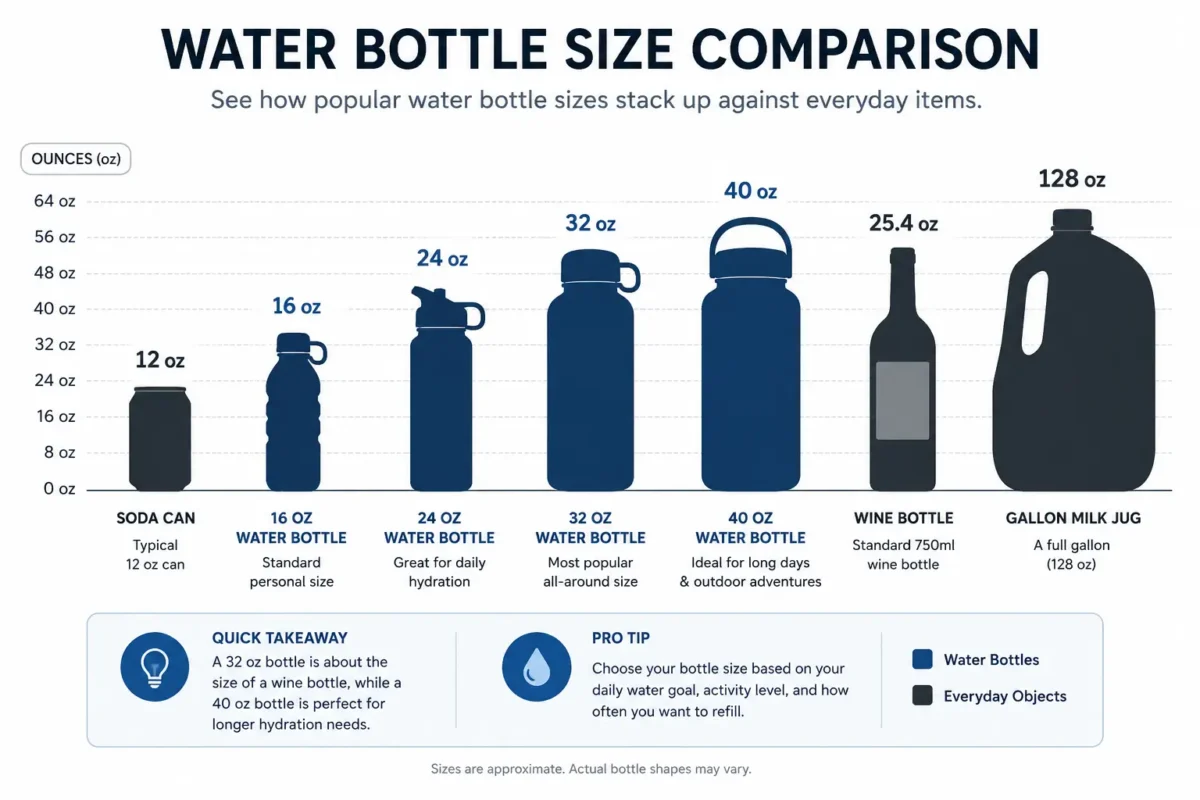
Visual Size Comparison: Bottles vs. Everyday Objects
Online shopping strips away physical context. A 32 oz bottle sounds modest until you realize it’s roughly the height of a wine bottle and a bit wider. A 64 oz bottle is closer to a half-gallon milk jug, and a 128 oz behemoth rivals a full gallon jug.
That’s why we created a silhouette infographic that lines up popular bottle sizes next to a soda can, a wine bottle, a milk jug, and other familiar objects. It gives you an instant, gut-level sense of scale that a spec sheet never will.
Now that you can visualize the sizes, let’s look at the best bottles on the market in each category.
Best Water Bottles for Every Size Category
You know the size you need and the dimensions that fit. Here are the bottles that deliver on all fronts: research and comparison.
We cut through the marketing noise. Our picks prioritize durability, insulation, and real user reviews, not brand hype. Each bottle earned its spot by surviving commutes, gym sessions, and weekend hikes.
Standing at the gym water fountain, refilling for the third time that morning, we realized the 24-ounce bottle wasn’t just about capacity; it was the only one that fit the treadmill cup holder. That week of commuting and gym sessions with the Hydro Flask 24 oz taught us that cup-holder fit and leak resistance mattered far more than the 24-hour cold retention spec. We never needed ice after hour three, but a wet bag from a leaky lid was a dealbreaker.
Best Small Water Bottles (8–16 oz)
The reusable market for small bottles is surprisingly sparse. Most 8- to 16-ounce options are single-use plastics or children’s sippy cups.
If you need a compact, durable bottle for short outings or a kid’s lunchbox, look for a 12-ounce stainless steel kids’ bottle with a straw lid. It’s the closest you’ll get to a leak-proof, insulated small bottle that can handle a drop. Avoid cheap plastic mini bottles; they crack and retain odors.
Best Medium Water Bottles (20–32 oz)
This is the Goldilocks zone: big enough to keep you hydrated through a workout or commute, small enough to fit a cup holder. We compared five top contenders.
The Hydro Flask 24 oz is a top pick among reviewers for a reason.
We found the narrow mouth perfect for sipping while walking. Keep it upright in a bag, though; the lid can leak if inverted.
For a lightweight, budget-friendly option, the CamelBak Chute Mag 25 oz delivers.
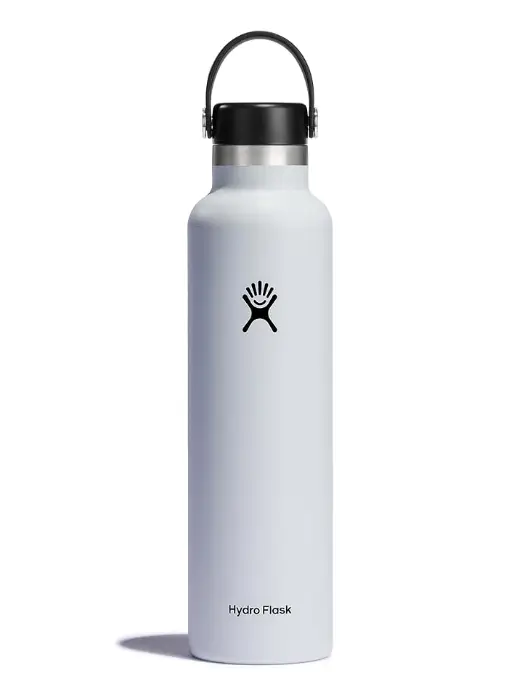
Hydro Flask 24 oz Standard Mouth Stainless Steel Water Bottle
The Hydro Flask 24 oz combines TempShield insulation with durable stainless-steel construction to keep drinks cold for up to 24 hours and hot for up to 12 hours. Its leakproof Flex Cap, comfortable carry handle, and cupholder-friendly design make it an excellent choice for commuting, workouts, travel, and everyday hydration.
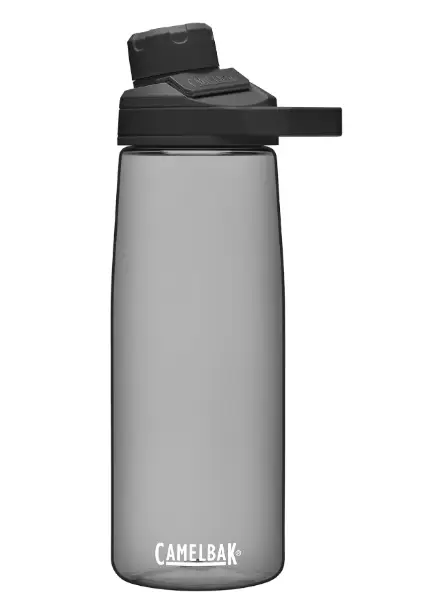
CamelBak Chute Mag 25 oz BPA-Free Water Bottle
The CamelBak Chute Mag 25 oz combines lightweight Tritan construction with a magnetic leak-resistant cap for easy, one-handed hydration. Its durable, odor-resistant design stands up to daily use, while the integrated carry handle and dishwasher-safe construction make it perfect for the gym, commuting, travel, and everyday adventures.
The magnetic cap is a clever touch: it snaps out of the way while you drink. On a hot day, don’t expect it to keep your water cold.
If durability is your top priority, the Yeti Rambler 26 oz is built like a tank.
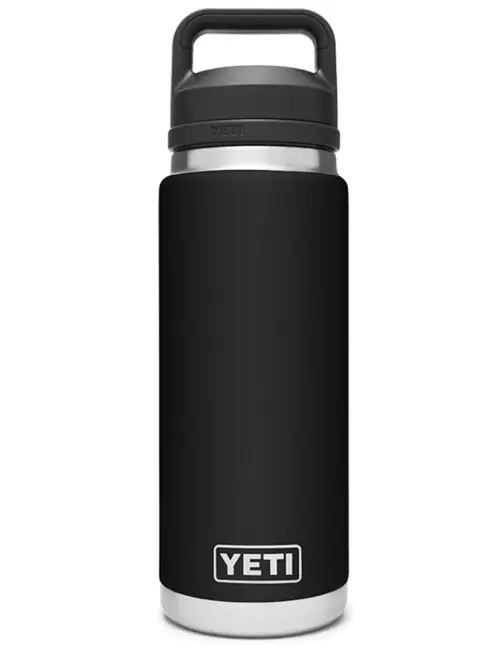
YETI Rambler 26 oz Stainless Steel Water Bottle
The YETI Rambler 26 oz combines rugged 18/8 stainless-steel construction with double-wall vacuum insulation to keep drinks cold until the last sip. Its leak-resistant Chug Cap opens with a quick half-twist for fast hydration, while the dishwasher-safe design and durable DuraCoat finish make it ideal for everyday use and outdoor adventures.
It survived a drop from a truck bed without a dent. The weight is noticeable on a long hike, though.
Commuters who want one-handed operation will appreciate the Contigo West Loop 3.0 24 oz.
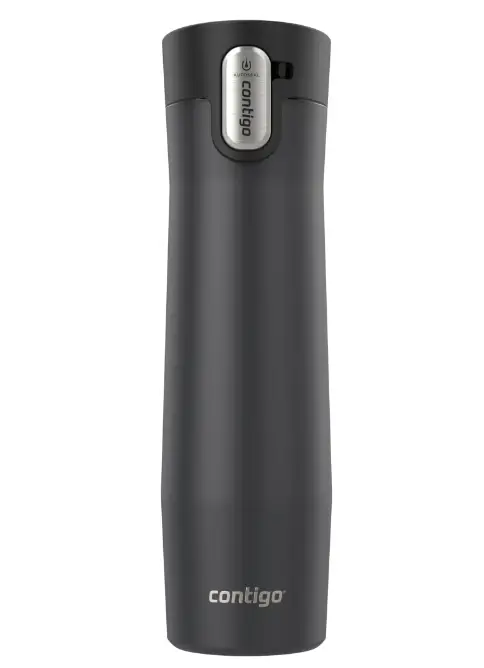
Contigo West Loop 3.0 24 oz Leakproof Travel Mug
The Contigo West Loop 3.0 24 oz combines THERMALOCK vacuum insulation with an AUTOSEAL lid to keep drinks hot for up to 16 hours and cold for up to 32 hours. Its one-handed operation, leakproof design, and cupholder-friendly shape make it an ideal companion for commuting, travel, and busy mornings.
The push-button lid is a game-changer in stop-and-go traffic. To prevent mold, disassemble it weekly.
The Nalgene Wide Mouth 32 oz is the classic workhorse.
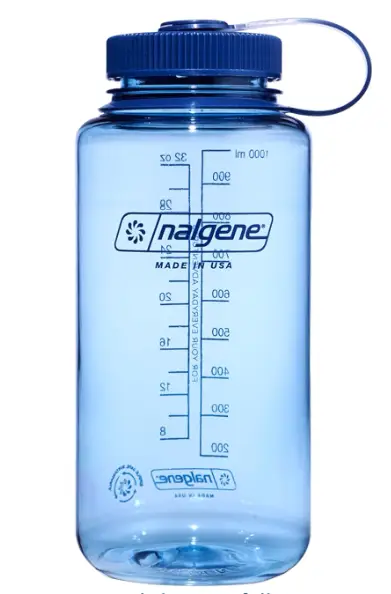
Nalgene 32 oz Wide Mouth BPA-Free Water Bottle
The Nalgene 32 oz Wide Mouth bottle combines lightweight Tritan Renew construction with legendary durability for everyday adventures. Its leakproof lid, measurement markings, and wide opening make it easy to add ice, mix drinks, and track hydration, while the BPA-free design stands up to everything from gym sessions to backcountry trips.
It’s the bottle you can drop off a cliff and still use. The wide mouth makes it easy to add ice; just invest in a splash guard unless you enjoy a wet shirt.
Best Large Water Bottles (40–128 oz)
When you need hydration for a full day without refills, these giants step up. They’re heavy and bulky, but they deliver on capacity.
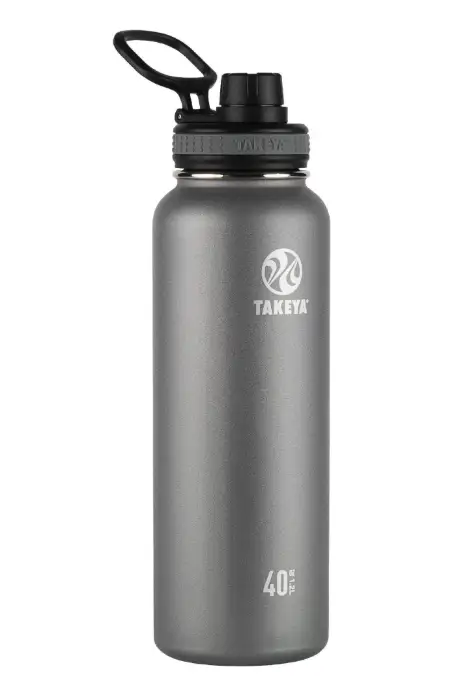
Takeya Originals 40 oz Leakproof Insulated Water Bottle
The Takeya Originals 40 oz combines double-wall vacuum insulation with a leakproof spout lid to keep drinks cold for up to 24 hours and hot for up to 12 hours. Built from durable, BPA-free stainless steel, it features a sweatproof design and one-handed drinking convenience, making it ideal for workouts, travel, and everyday hydration.
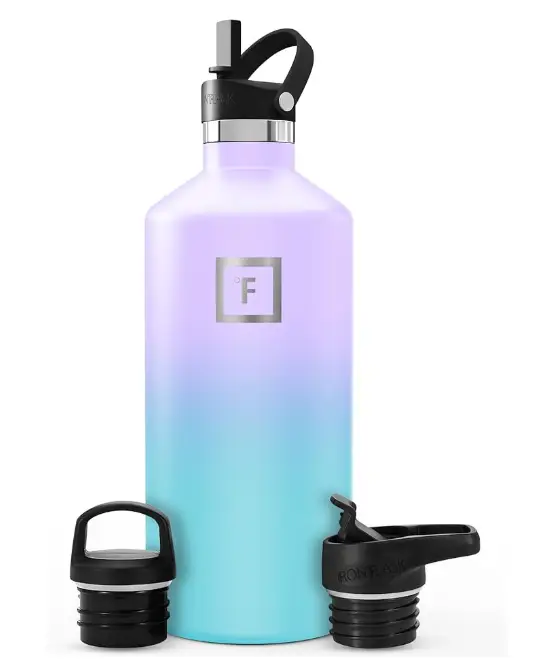
IRON °FLASK 64 oz BPA-Free Sports Water Bottle
The IRON °FLASK 64 oz combines double-wall insulation with premium stainless-steel construction to keep drinks cold for up to 24 hours and hot for up to 12 hours. Complete with three interchangeable leakproof lids, a durable powder-coated finish, and a large-capacity design, it’s built for hiking, camping, workouts, and all-day hydration.
The Takeya’s straw lid is convenient for desk sipping. The Iron Flask’s half-gallon size is overkill unless you’re on a job site or a long hike with no water access.
Before you click ‘buy,’ run through this checklist to make sure you’ve covered every detail.
Your Ultimate Water Bottle Selection Checklist
Run through these twelve points before you buy. Your future self will thank you.
- Capacity: Match ounces to your daily routine and refill access. A 32-oz bottle might be perfect for a desk job, but overkill if you’re carrying it all day.
- Material: Stainless steel for temperature control, glass for pure taste, BPA-free plastic for lightweight portability.
- Insulation: Double-wall vacuum keeps drinks cold for hours; single-wall is lighter but sweats.
- Mouth type: Wide mouth for ice and easy cleaning; narrow mouth for controlled sipping.
- Lid design: Straw lid for spill-free sipping on the go; flip-top or screw cap for leakproof security.
- Weight (loaded): A full bottle can add significant heft. Test it loaded before buying.
- Portability: Does it fit your car cup holder, backpack pocket, or bike cage?
- Durability: Look for dent-resistant stainless steel or thick, BPA-free plastic that survives drops.
- Features: Time markers, carrying loop, or measurement markings can simplify tracking.
- Sustainability: Replaceable parts (lids, gaskets) and long-lasting materials reduce waste.
- Budget: Quality bottles often range from $10 to $50; invest in one that lasts years, not months.
- Cleaning ease: Wide mouths and dishwasher-safe components make daily scrubbing a breeze.
A full bottle feels twice as heavy as you expect. I learned this the hard way when I bought a 40-ounce insulated bottle for my commute. Filled with ice water, it weighed over three pounds. Fine for a desk, but a drag on a mile walk to the train. Now I always compare a bottle loaded before buying, and I keep a smaller one for days I’m moving a lot.
Expert Tip: Wash your bottle daily with hot soapy water and a bottle brush to prevent mold in hard-to-reach crevices.
Still have questions? The FAQs below tackle the most common head-scratchers about bottle sizes and hydration.